Ready to get started?
Transform your ESG reporting with expert support.
If your company sits outside the scope of the Corporate Sustainability Reporting Directive (CSRD), you still keep getting ESG reporting requests from your bank and your biggest customers. The EU built a specific answer for this situation: VSME reporting, the Voluntary Sustainability Reporting Standard for non-listed SMEs — designed to be the only standard your business partners can reasonably ask you to use.
What VSME reporting actually is
VSME was developed by EFRAG at the request of the European Commission as part of its SME relief package, and finalized as an official recommendation in 2025. It gives non-listed small and medium-sized companies a short, standardized way to report on emissions, workforce, governance, and other ESG topics — without adopting the full European Sustainability Reporting Standards that apply to CSRD-scope companies.
Why VSME is the only standard you should be asked to follow
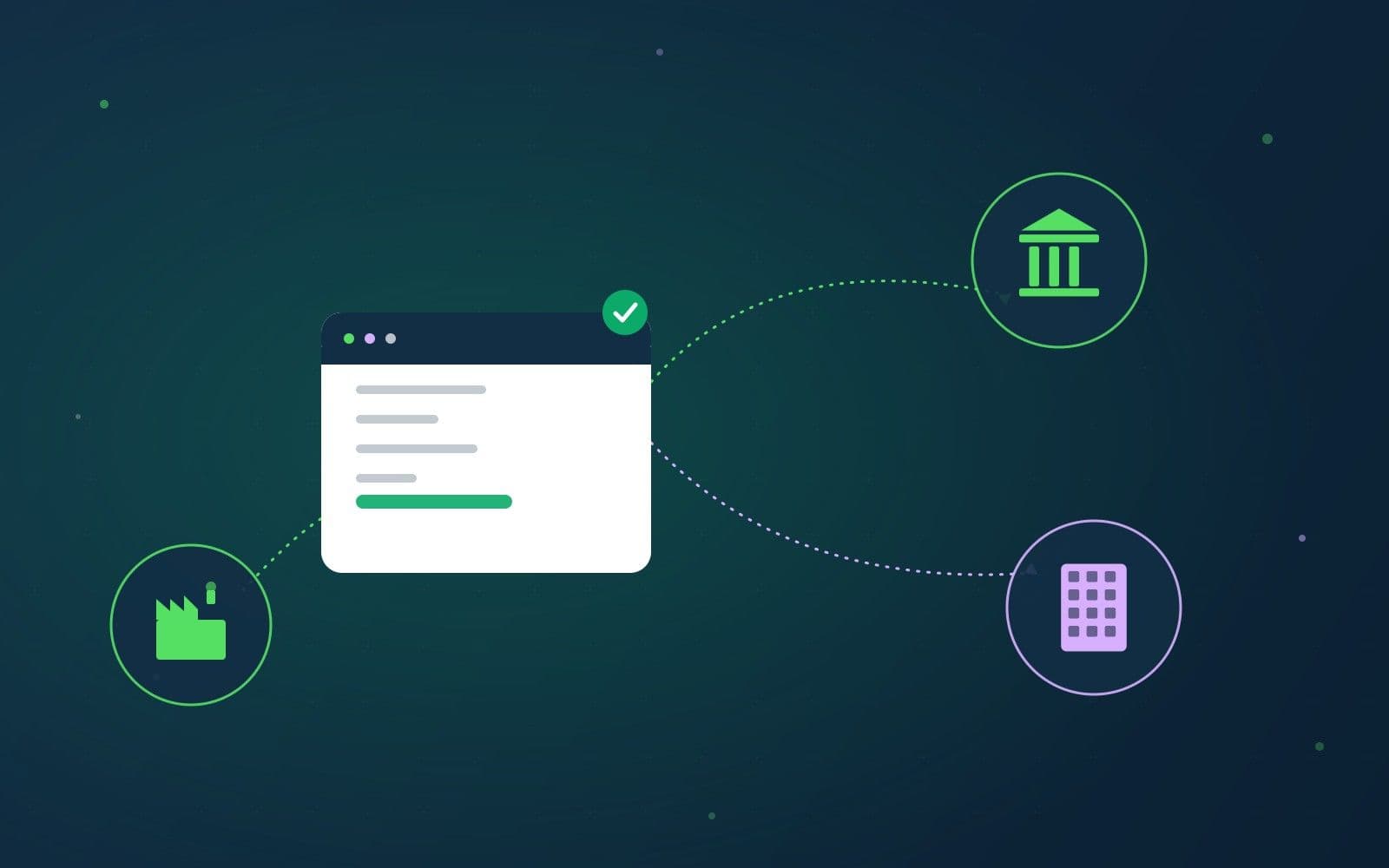
The CSRD framework includes a mechanism often referred to as the "value chain cap": companies in scope of CSRD are expected not to demand more sustainability data from smaller, out-of-scope suppliers than VSME already covers. In practice, if a bank, investor, or corporate customer asks you for ESG data and you're below the CSRD thresholds, a completed VSME report should be enough to satisfy that request.
Why your bank is asking: EBA guidelines on ESG risk
Banks aren't asking out of curiosity. The European Banking Authority's Guidelines on the management of ESG risks require banks to identify, measure, and monitor ESG risk in their loan books as part of standard credit risk management. The guidelines apply to large institutions from 2026 and to smaller, non-complex institutions from 2027, so lenders are already building ESG data into credit reviews, covenants, and pricing. A structured VSME report gives your relationship manager exactly the inputs their risk models now require, without a different spreadsheet for every lender.
Why big corporate clients are asking: CSDDD due diligence
Large customers request the same kind of data for a different reason. The Corporate Sustainability Due Diligence Directive requires big companies to identify and address human rights and environmental risks across their value chain, including their suppliers. As CSDDD obligations phase in, procurement and compliance teams are mapping supplier risk ahead of time — and a VSME report is the fastest way to answer their due diligence questionnaire without a lengthy back-and-forth.
What a VSME report covers
The standard is built around two modules, so you only report what your partners actually need:
- Basic Module: core company information, governance, energy use, emissions, and workforce data
- Comprehensive Module: adds detail on pollution, biodiversity, water, resource use, and any sustainability targets or transition plans
- Most bank and customer requests are fully met by the Basic Module alone
Getting started with VSME reporting
You don't need every data point on day one. Start with the Basic Module, reuse figures you already track for operations, energy bills, and payroll, and publish the report once so the same document can go to your bank, your biggest customer, and the next tender you bid for. Sustainly helps SMEs build and maintain that VSME report without the overhead of enterprise ESG software.